
Siding Color Fade Explained: Inspection Clues and Preparing for Seasonal Storms
Fading siding is a common sight on many homes throughout the Midwest, and in places like Cicero, Indiana, where the elements often shift from frigid winters to sunny, humid summers, this issue is even more prevalent. As you prepare your home’s exterior for the unpredictable winds and rains brought by seasonal storms, understanding color fade, being able to spot the warning signs, and planning for proactive siding care is vital in protecting your investment and preserving curb appeal.
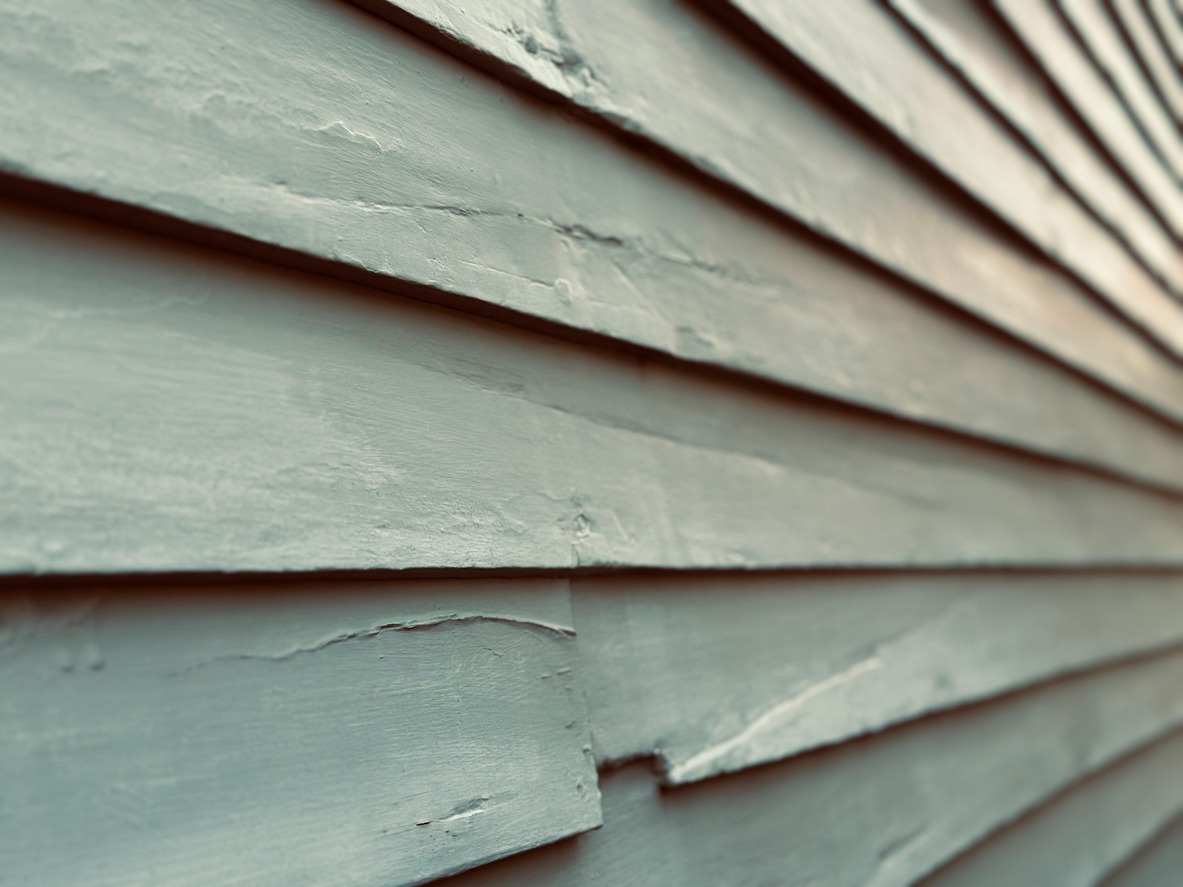
What Causes Siding Color Fade?
Color fade is primarily a result of prolonged exposure to ultraviolet rays, harsh weather, and pollutants. In Cicero, fluctuating temperatures and the freeze-thaw cycles speed up this process, particularly on older vinyl, fiber cement, and wood siding. When siding is exposed, natural pigments and finishes degrade, revealing washed-out spots or unevenly colored patches.
This process is often accelerated by:
-
Intense summer sun beating down on south and west-facing walls.
-
Acid rain and airborne pollutants that react with surface coatings.
-
Wind-driven moisture or hail, which can break down protective layers.
Not all siding fades the same way; newer products may have advanced UV-blocking coatings, but even these can eventually show their age, especially after several storm seasons common in Central Indiana.
Inspection Clues: How to Spot Color Fade and Underlying Issues
Regular inspections are key to catching subtle warning signs before they contribute to more costly problems. If you notice your siding looks uneven or dull, here’s what to look for:
-
Siding appears chalky or powdery to the touch.
-
Noticeable difference in color where shrubbery or awnings used to shade the wall.
-
Isolated streaks or faded zones that don’t match the rest of the panel.
-
Cracking, warping, or blistering, which may indicate moisture infiltration.
-
Growth of algae or mildew, often revealed when protective finish wears away.
Documenting these observations is helpful when discussing solutions with a professional; photographs can capture how fading has advanced season by season.
Preparing for Seasonal Storms: Why Addressing Fade Matters
In Cicero, the arrival of storm season from spring thunderstorms to the tail end of tornado threats means siding should do more than just look good. Faded siding isn’t just a cosmetic issue; it can be a sign that protective layers have worn out, leaving your home vulnerable to water damage and more susceptible to leaks during downpours.
Plan ahead by:
-
Scheduling a siding inspection before the stormiest months.
-
Considering a siding replacement if there is significant fading, especially if coupled with cracks or gaps.
-
Discussing finishing options, like UV-resistant paint or premium coatings, which are available as part of many exterior remodeling services.
-
Asking for a review of your home’s overall weather resistance, which can extend the life of your siding and reduce long-term costs.
What to Ask Before Moving Forward with Exterior Improvements
Before you commit to inspecting, repairing, or replacing faded siding, ask these important questions:
-
Which siding materials offer the best performance for Indiana weather?
-
Can existing siding be restored, or is full replacement recommended?
-
What warranty options are available on new finishes or products?
-
How will the chosen siding enhance protection against moisture or impact during storms?
-
Does the contractor offer color and style consultations specific to local trends and HOA guidelines?
By staying informed, you ensure your home is ready to withstand each season and continues to look its best year-round.
Schedule Your Siding Inspection with Harber Exteriors
If you’re noticing your home’s siding showing signs of fading or if you want to get ahead of the next storm season in Cicero, IN, Harber Exteriors is ready to help. Our team offers professional exterior services tailored to Indiana’s unique climate conditions. For a personalized inspection or consultation, call (317) 645-7901 or fill out our online form today.
Cicero, Indiana experiences a full range of weather, from icy snowfall to humid summers, and that means your home’s exterior works overtime to…